
01
Equestrian context
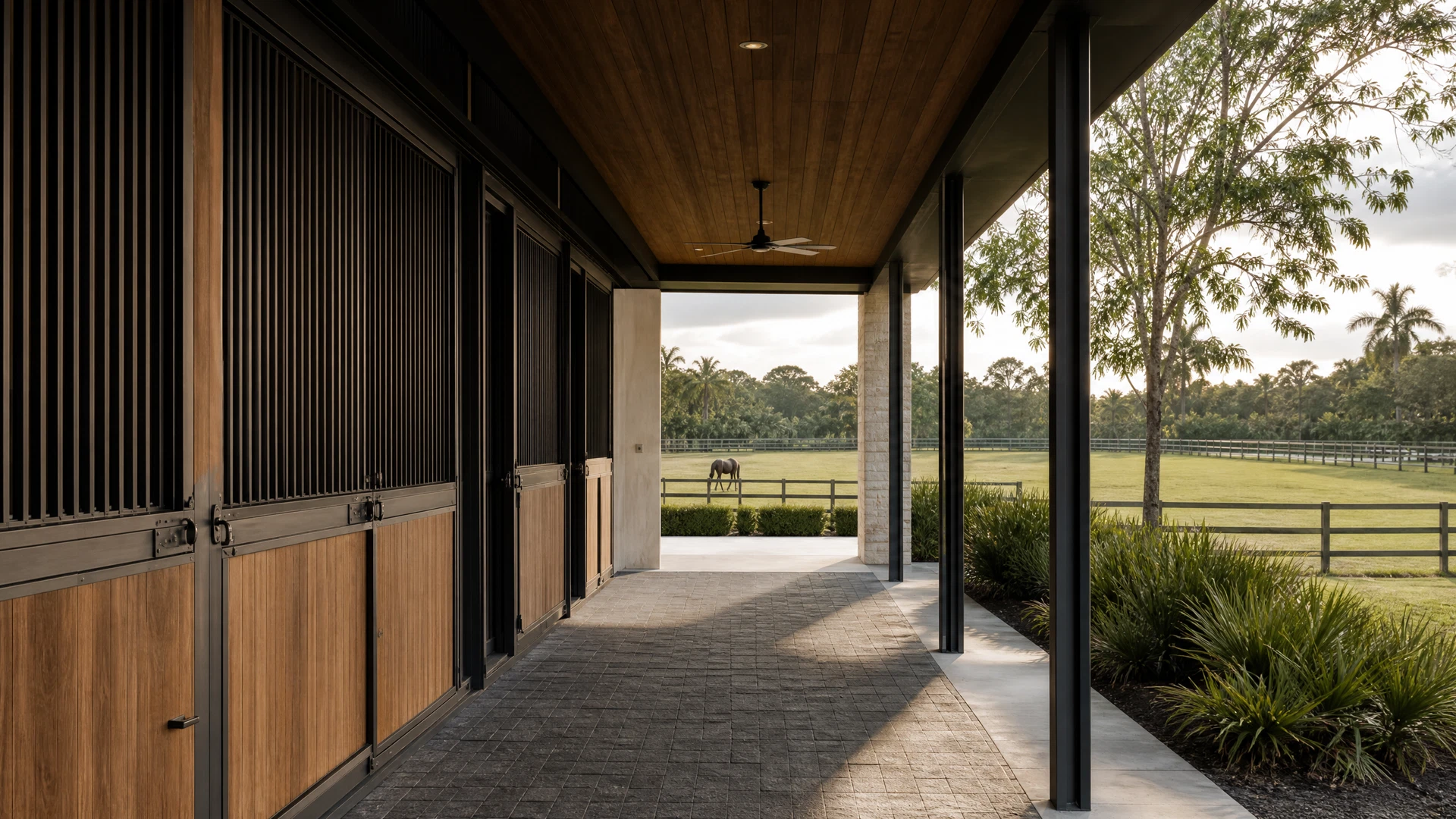
Barns, footing, access, seasonal use, and proximity to competition venues can matter as much as conventional residential features.
Wellington · Equestrian
Ryan Beckett's experience in Wellington and the equestrian community gives BitRealty a foundation built on relationships in a market where property, sport, and lifestyle frequently intersect.
The BitRealty approach
Wellington real estate benefits from context that goes beyond a property search. BitRealty brings experienced guidance, established local relationships, and an understanding that equestrian priorities can shape location, timing, land, and facility decisions.
What shapes the strategy
01
Barns, footing, access, seasonal use, and proximity to competition venues can matter as much as conventional residential features.
02
The equestrian calendar changes demand, availability, and the pace of decisions for both seasonal clients and those who live there throughout the year.
03
Prepared communication and trusted local relationships help surface context that property data alone cannot provide.
Wellington buyer guide
Use these questions to build a shortlist and prepare for property-specific due diligence.
Updated
Search is limited to the MLS city of Wellington. Results include residential properties and are not restricted to horse farms.
Start with how you will use the property. A home close to your trainer may suit a seasonal stay; keeping horses on site adds a different set of needs. Write down the number of horses, turnout requirements, arena use, equipment storage, trailer access and any staff accommodation before comparing properties. A Wellington address alone does not establish that a parcel can support your intended equestrian use.
Wellington uses an Equestrian Preserve Area and an Equestrian Overlay Zoning District to guide preservation and development. Check the individual parcel with Village Planning and Zoning. Ask about the intended use, existing approvals, and what would be required for a barn, arena, additional residence or other proposed change. Request permit records and a current survey; also review association documents and recorded restrictions with the appropriate professionals.
Wellington publishes an equestrian trail map. Use it to plan a route, then verify the property's connection, any easements, crossings and access conditions. Being close on a map does not confirm a usable route from the gate. For trailering, check entrance width, turning space and the actual trip to your trainer or competition venue at the times you expect to travel.
Evaluate the land as carefully as the house. Have suitable inspectors or equestrian facility specialists assess drainage, arena footing, paddocks, fencing, barn ventilation, water supply and electrical systems. Ask for maintenance records and known water-intrusion history. Discuss the property's flood exposure and insurance options with your insurance professional before your inspection deadlines, including the structures and activities you plan to insure.
Build a property-specific budget alongside the purchase price. Include insurance quotes, taxes, association fees where applicable, utilities, grounds care, arena maintenance, fencing repairs and waste removal. Separate immediate work from recurring costs. For seasonal use, consider who will monitor and maintain the property while you are away. If rental income is part of the plan, verify the applicable rules and costs before relying on an income estimate.
Local leadership
Broker, BitRealty
Ryan leads BitRealty's work in Wellington and the equestrian market, drawing on longstanding relationships and luxury residential brokerage experience in Palm Beach County.
For sellers
Position the property for the audience most likely to understand its residential and equestrian value, with an agreed marketing and communication plan.
For buyers
Define the lifestyle, property, and equestrian requirements early so the search reflects how the buyer actually intends to live and operate.
Begin with the property requirements, seasonal timing, or market question that matters most. The first conversation can clarify which details deserve closer attention.